

I’m a good cook. Well, I used to be—back when I lived on land. I had plenty of bench space, a six-burner stovetop, a big fridge, a freezer, and every cooking utensil imaginable. Even a dishwasher, so the messes I made were easily cleaned up. I had easy access to a wide variety of fresh and exotic ingredients. If I needed something, it was just a quick dash to the shops.
Then we switched to boat life.
Our goal was to live the best life we could—seize the moment, love each other passionately, and stay strong and healthy enough to do it for many years to come. The first parts fell into place beautifully. We moved onto our boat in the Mediterranean and loved every moment of this dream life—sunrise swims before breakfast, exhilarating day sails, dinners in the cockpit at sunset, and being gently rocked to sleep in the swell.
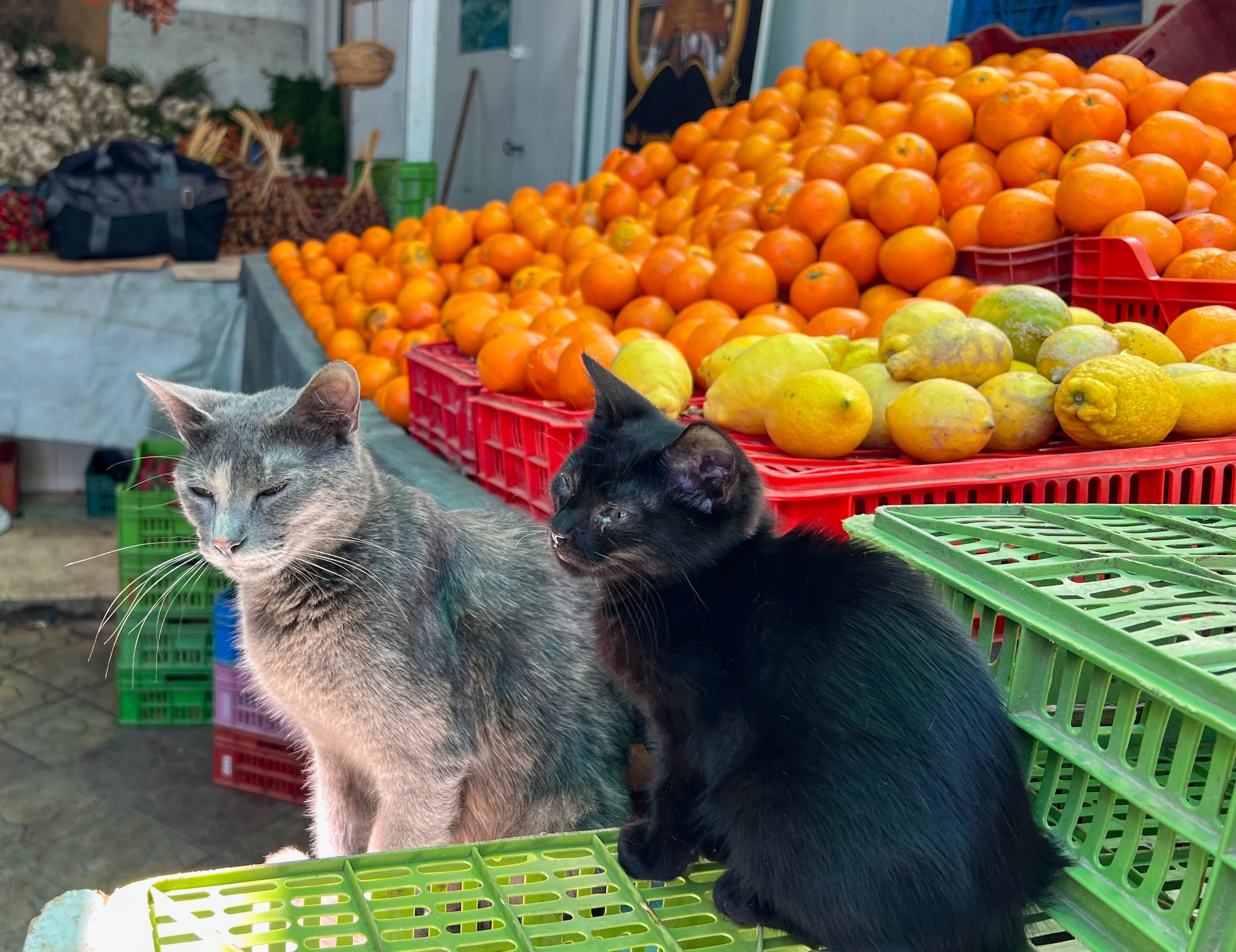
The one part that didn’t just fall into place was cooking delicious, healthy meals.
A boat galley is more like a camp kitchen: a two-burner gas cooktop, a tiny fridge, and a saucepan cupboard barely big enough to hold my old Le Creuset casserole dish. I had two choices: try to continue cooking as I had on land and feel like I was on a summer camping trip, or overhaul our entire approach to food. I chose the latter. Either way would take effort, so I decided to start fresh and completely rethink what “sustenance” would look like on the water.
The Challenges of Boat Cooking
One of the biggest limitations is refrigeration. With limited fridge and freezer space, you’re restricted in the quantity and type of food you can keep. I used to shop every couple of days for fresh produce, meat, bread, and dairy. Which brings me to challenge number two: grocery shopping.
I don’t want to spend my European summers traipsing through town in the heat, lugging groceries back to the boat via the dinghy. That kind of shopping takes up a good part of the day, time we’d rather spend sailing, swimming, or simply relaxing. Something had to change.
Health as the Top Priority
Whatever changes we made, our health had to come first. We want to live this sailing dream for as long as possible, well into old age. I drew on my research background and dug into the science of longevity. While we’d already adopted many healthy lifestyle habits, one theme kept coming up: a whole food, plant-based diet significantly reduces the risk of illness and increases longevity.
So, we made a drastic change. We cut out all animal products and processed foods as much as possible. We buy local produce wherever we are and eat like the locals. That sometimes means experimenting with unfamiliar ingredients, which just adds to the fun of exploring new cultures. We’ve stocked our spice cupboard with every flavour I know, and we’re constantly inspired by what we eat in local restaurants. I even chat with shopkeepers—often using a translation app—to learn how to use ingredients that are new to me.
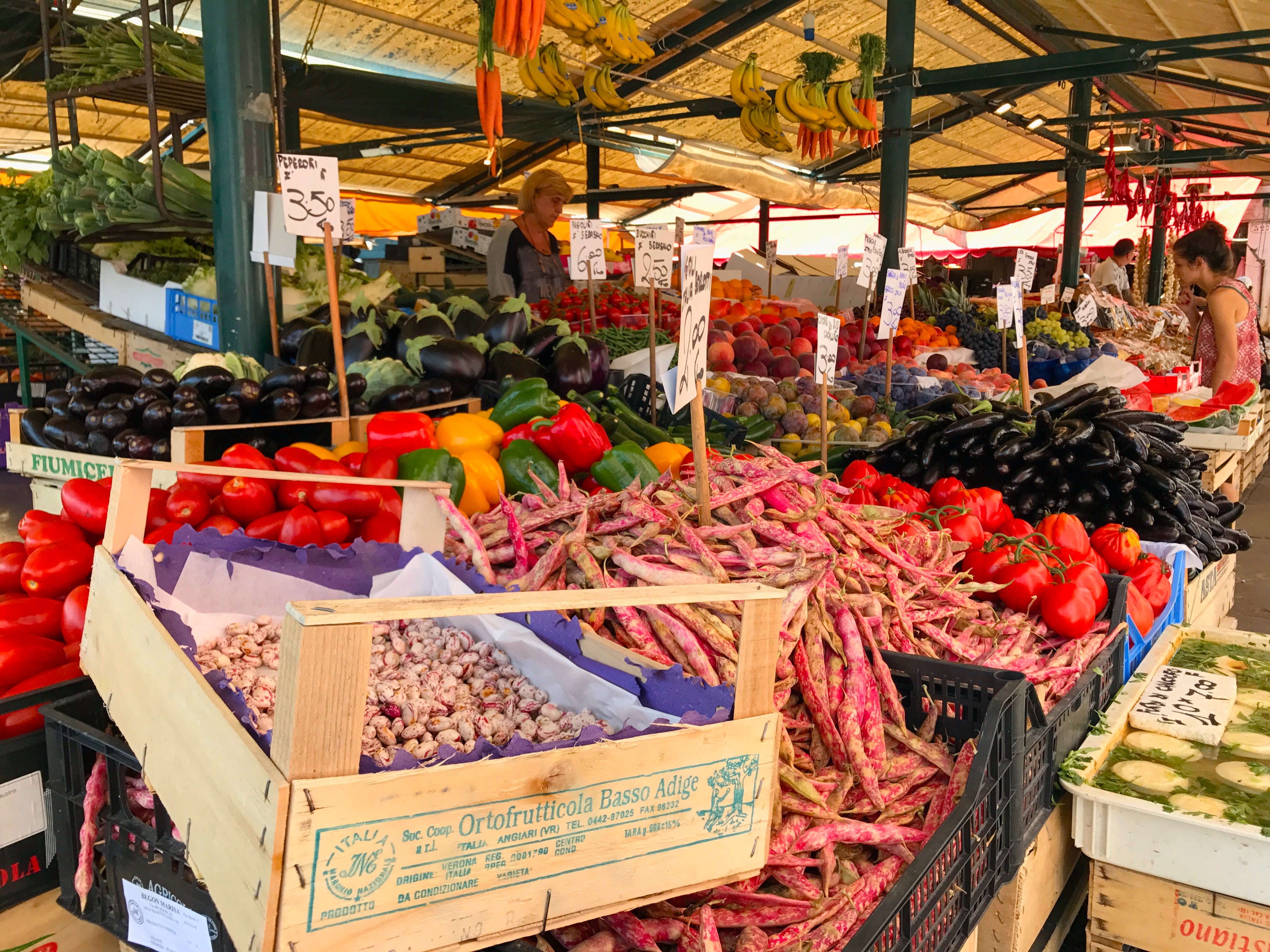
We use up our fresh produce while it’s still good, then gradually draw from our well-stocked larder of tinned and dried foods. Even a week after our last shop, we’re still enjoying tasty, nutritious meals. It’s all about using ingredients in order of shelf life. This way, we only shop every 7–10 days. It’s also great practice for crossing oceans, where we may go weeks without fresh supplies.
The Unexpected Joys of Plant-Based Cooking
The biggest surprise? Our meals taste better than ever. Maybe I was a bit lazy before—after all, a good steak was enough to make a meal. I’m an Aussie and loved a tender rib eye on the barbie. Now, I think about flavour combinations, texture, and gut health. Our goal is to eat 30 different plant-based foods each week.
And we do it all with just two pots (because I only have two burners—and it’s usually too hot to use the oven anyway). It’s a fun challenge.
Another bonus of plant-based eating? It doesn’t rely much on refrigeration. No more rushing home with cold meats or dairy. We can stop at a café mid-shop, bags tucked under the table, and watch the world go by. Tomatoes and carrots don’t mind waiting.
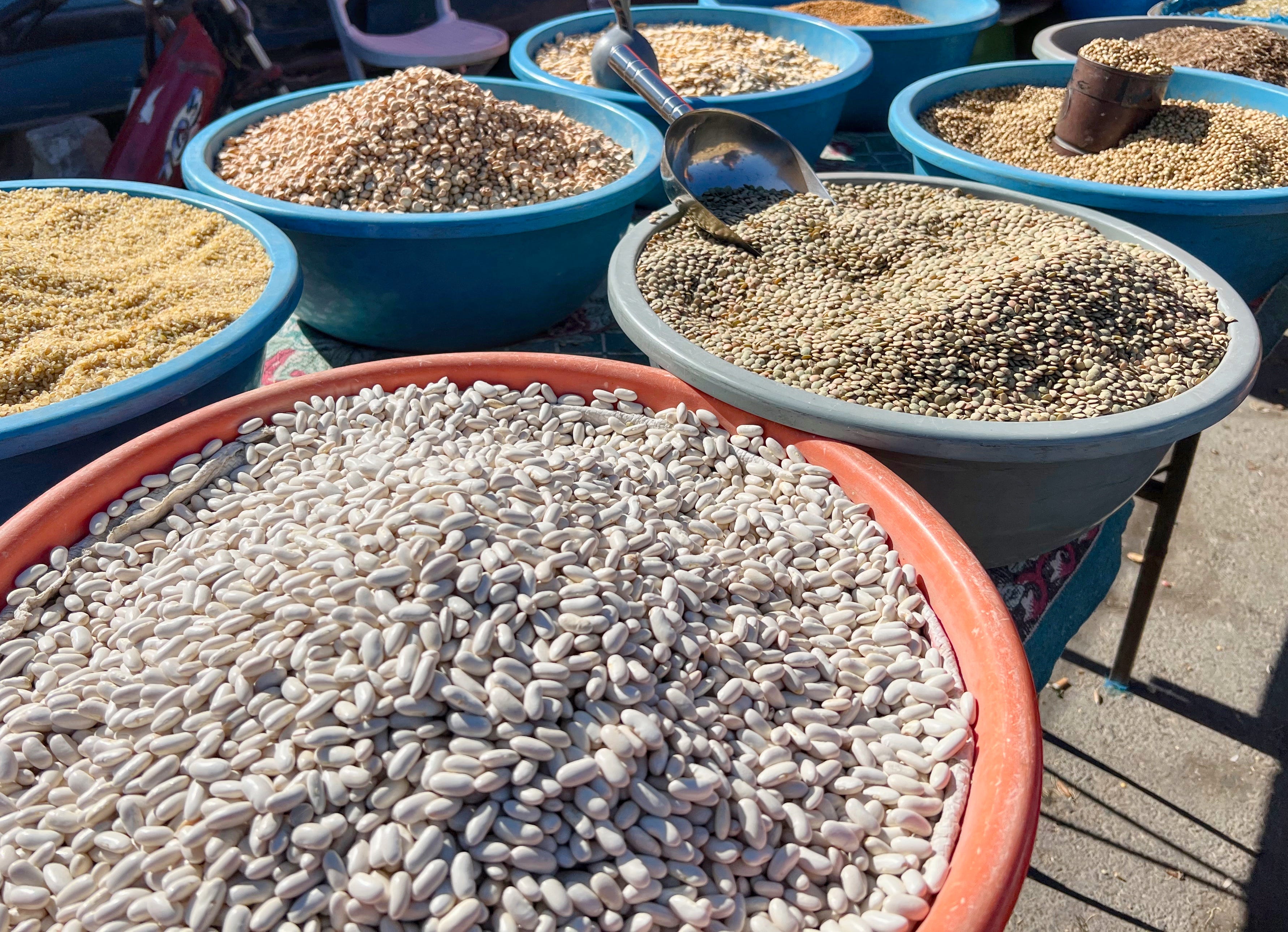
This way of eating suits boat life perfectly. It uses minimal fridge space, and dried foods like legumes last for years. We’ve reduced our shopping frequency and gained more time to do what we love.
A Conscious Choice
Yes, we’ve given up a few old favourites. But as a psychologist, I know that how we frame things matters. We choose to see this as an opportunity. Every meal we eat now supports our health.
Making this shift wasn’t effortless—it meant letting go of old habits and rethinking our approach to food. But boat life demanded change anyway, and we decided to make it a positive one. One that supports our health, the environment, and animal welfare.
Our meals are now better than ever. My cooking game has gone up a notch (while our belt buckles have gone down several!). My biggest worry? Not splashing the curry on my bikini.
This way of eating works beautifully on a boat—but it’s just as beneficial on land. Better health, more energy, lower costs, and a lighter environmental footprint.
The surprise? Our boat-cooked meals are so good that we’d rather eat in than go out.
What a surprise for an Aussie to forgo meat. Great convincing write up on how to convert to plant foods. I know you are busy, but a couple of recipes would help us landlubbers get started, using some spices and ingredients that we conventional eaters are not familiar with. Thanks for update.